Memory Care Programs: The Hidden Advantages
Wiki Article
Browsing Memory Care Options: What Households Required to Know
As families face the challenging job of steering memory care options, it is essential to come close to the decision-making procedure with a clear understanding of the diverse sorts of care readily available. From property centers to in-home help and grown-up day care, each alternative offers distinct advantages and considerations. Examining these centers requires a thorough evaluation of personnel certifications, precaution, and the overall environment. Nevertheless, the journey does not end there; monetary effects and offered assistance sources also play a critical function in forming educated choices for enjoyed ones. What elements should households focus on in this facility landscape?Recognizing Memory Care Keys In
Frequently, individuals and families facing the obstacles of cognitive decline experience numerous sorts of memory care alternatives designed to fulfill diverse needs. Memory care can be extensively classified right into domestic care facilities, at home care, and grown-up day care services. Each choice offers special benefits tailored to details requirements - Memory Care Charlotte.Residential care centers, commonly referred to as memory care devices, offer customized environments with trained staff who concentrate on the distinct requirements of homeowners with mental deterioration or Alzheimer's condition. These centers typically offer structured regimens, safe and secure settings, and social tasks targeted at improving cognitive function.In-home care enables individuals to remain in the comfort of their own homes while obtaining personalized assistance from caretakers. This alternative uses versatility and can be changed according to the client's developing needs, cultivating experience and comfort.Adult day care services provide temporary care throughout the day, permitting caregivers respite while ensuring that their loved ones involve in boosting activities. This option can be specifically valuable for family members balancing work and caregiving responsibilities.Ultimately, comprehending these memory care kinds equips families to make enlightened decisions that boost the lifestyle for their loved ones encountering cognitive decreaseAssessing Care Facilities
When assessing care centers for people with memory disabilities, it is necessary to filter with numerous elements that add to a helpful and efficient environment. Begin by examining the center's team qualifications and training, ensuring that caregivers have specialized knowledge in memory care. A high staff-to-resident proportion is crucial, as it generally suggests customized interest and care.Next, think about the center's physical atmosphere. It should be secure and protected, with features that reduce complication and advertise independence. Search for clear signs, arranged layouts, and sensory excitement that can improve homeowners' involvement. Furthermore, ask about the programs and activities offered, as these should be tailored to residents' cognitive degrees and interests, fostering social interaction and cognitive stimulation.Furthermore, observe the general ambience during your check out. An inviting and caring culture is crucial for the well-being of citizens. Interaction with family members is an additional important aspect; facilities must keep open lines of discussion regarding locals' development and requirements. Seek responses from present homeowners' families to determine contentment and experiences, as this can give understandings right into the facility's overall quality of care and support.Trick Factors To Consider for Family Members
Picking a memory care center is a considerable decision for families, and understanding vital factors to consider can assist in a smoother process. Initially, examine the facility's credibility and quality of care. Study on the internet evaluations and seek recommendations from health care professionals or support system. Checking out prospective centers is crucial; observe the setting, personnel interactions, and overall cleanliness.Next, evaluate the staff-to-resident proportion, as a lower proportion frequently symbolizes more tailored interest. Inquire about team training and experience, particularly pertaining to memory care, to guarantee they are equipped to take care of the details needs of residents.Consider the center's design and layout. A safe and secure, quickly accessible setting can enhance safety and comfort for individuals with cognitive disabilities. Look for engaging activities that advertise socialization and cognitive stimulation, which are crucial for homeowners' health. Communication is crucial. Validate the center preserves open lines of interaction with households concerning their liked ones' progress and any kind of problems. By considering these elements, families can make informed decisions that finest support their liked ones in a memory care setup.Financial Aspects of Memory Care
Guiding through the financial elements of memory care is important for families, as costs can differ significantly based on place, facility type, and the level of care needed. Memory care centers normally vary from $3,000 to $7,000 each month, with higher-end centers offering specialized services and facilities that add to boosted costs. Alzheimer’s Care.Families must think about various funding choices, consisting of private pay, long-term care insurance policy, and Medicaid. Personal pay is the most common approach, but it can quickly deplete savings. Lasting care insurance can provide financial alleviation, though family members need to confirm plan details and protection limits. Medicaid might cover memory care prices for eligible people, but the application process can be complicated and lengthy.In enhancement to month-to-month charges, families should also expect extra expenditures such as clinical materials, treatment solutions, and personal products. It is essential to examine the complete expense of care and prospective economic influence on the household's budget plan. Involving with a monetary advisor experienced in older care can give useful insights and aid families make informed choices about memory care financing choices. Comprehending these economic facets is vital for guaranteeing that care is sustainable and fulfills the demands of loved ones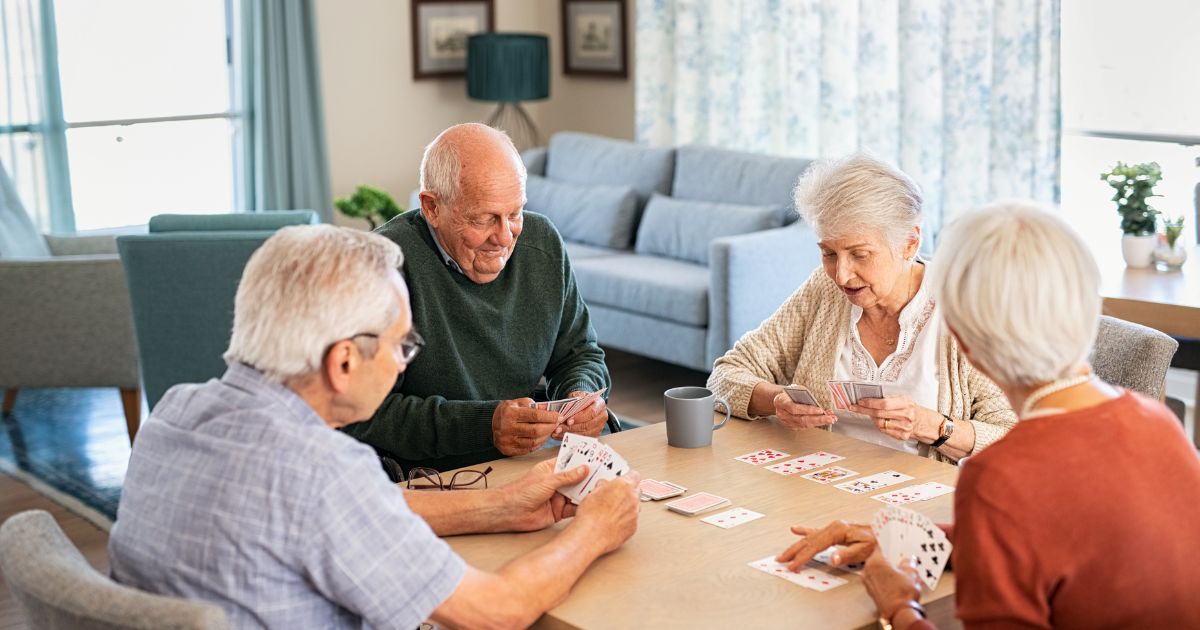
Support Resources for Caregivers
Caretakers play a necessary function in sustaining people with memory disabilities, typically encountering one-of-a-kind difficulties that can bring about physical and emotional pressure. To mitigate these obstacles, various assistance sources are offered to caretakers, encouraging them with the devices and aid they require to provide optimum care.Local and nationwide organizations, such as the Alzheimer's Organization, use instructional sources, assistance groups, and helplines that connect caretakers with others in comparable circumstances. These platforms provide possibilities for sharing experiences, suggestions, and psychological support, which can be indispensable in decreasing feelings of isolation.Additionally, reprieve care services allow caretakers to take time-outs, ensuring they can reenergize and minimize fatigue. Several neighborhoods also supply adult day programs, which provide organized activities for people with memory disabilities, offering caregivers a much-needed reprieve (Specialized Memory Care Charlotte).Furthermore, on-line resources, consisting of webinars and forums, can improve caregivers' expertise concerning memory care ideal methods. Involving with these support group not just cultivates durability however likewise improves the top quality of care offered to individuals with memory impairments. Inevitably, leveraging these resources can significantly impact caretakers' well-being and their ability to sustain their liked ones successfullyFrequently Asked Inquiries
What Are the Indications That Memory Care Is Needed?
Establishing the requirement for memory care can be challenging. Trick signs consist of considerable amnesia impacting day-to-day activities, constant disorientation or complication, difficulty with communication, and changes in habits or state of mind. Additionally, if a liked one shows risky habits, such as wandering or ignoring individual hygiene, these might indicate a need for specialized care. Early intervention is important, enabling households to discover ideal memory care choices tailored to specific requirements.Just How Can Families Interact Properly With a Loved One in Memory Care?
Efficient interaction with a loved one in memory care needs perseverance, compassion, and simpleness. Use clear, simple language, and involve in individually conversations in a peaceful atmosphere to decrease interruptions. Nonverbal hints, such as eye call and mild touch, can boost my latest blog post understanding. Encourage the individual to reveal their sensations and ideas, proactively pay attention, and validate their emotions. Consistency in routine and familiar subjects can additionally foster a sense of safety and link.What Tasks Are Typically Offered in Memory Care Facilities?
Memory care facilities usually use a range of tasks designed to engage locals and promote cognitive feature - Memory Care Charlotte. Usual tasks include arts and crafts, music treatment, workout, gardening, and group games that urge social communication. Additionally, numerous centers give day-to-day routines that incorporate cognitive stimulation with puzzles and reminiscence therapy. These structured programs intend to boost lifestyle, foster a sense of community, and maintain citizens' physical and psychological wellness
Exactly How Can Families Prepare a Family Member for the Transition to Memory Care?
Preparing an enjoyed one for the modification to memory care entails a number of key actions. To start with, interact openly about the action, highlighting the advantages of the new setting - Alzheimer’s Care. Acquaint them with the facility via check outs, advertising convenience. Entail them in loading individual things to preserve a sense of possession. Additionally, develop a regimen that includes normal check outs, ensuring they feel supported and connected. Lastly, address their emotional needs, giving reassurance throughout the procedureWhat Civil liberties Do Residents Have in Memory Care Facilities?
Residents in memory care facilities are entitled to particular legal rights that ensure their self-respect and health. These civil liberties commonly include the right to privacy, the right to participate in decisions concerning their care, and the right to receive suitable clinical attention. Furthermore, homeowners should have access to their personal belongings and the ability to engage in social and recreational activities, cultivating a setting that sustains their freedom and high quality of life.Report this wiki page